How to Choose the Right Stainless Steel Round Pipe for Your Project
In modern engineering and construction, material selection plays a crucial role in determining the success of a project. Whether it is industrial fluid transport, structural frameworks, or architectural design, the type of piping used directly affects safety, durability, and long-term cost efficiency.
Among all piping materials, stainless steel round pipes are widely recognized for their strength, corrosion resistance, and versatility. However, choosing the right specification is not always straightforward.
In this article, we’ll break down the key factors you should consider when selecting stainless steel round pipes for real-world applications.
Why Stainless Steel Round Pipes Are So Widely Used
Stainless steel round pipes are popular across industries because they offer a strong balance of mechanical performance and chemical stability.
They are commonly used in:
-
Industrial fluid and gas transport
-
Structural and mechanical frameworks
-
Architectural and decorative applications
A properly selected pipe can ensure:
-
Stable and safe fluid transportation
-
Strong load-bearing performance
-
Long service life with minimal maintenance
In corrosive or humid environments, their resistance to rust becomes a major advantage.
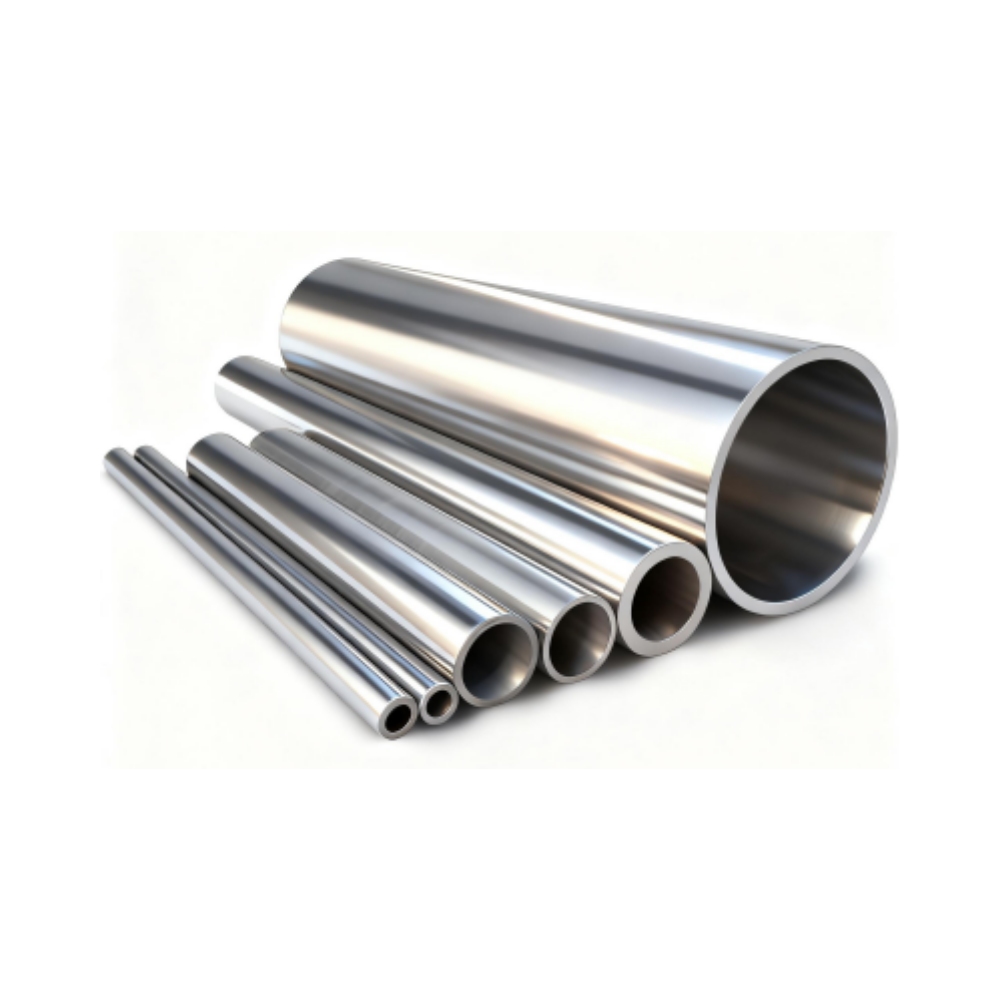
Key Factors to Consider When Selecting Stainless Steel Pipes
1. Choosing the Right Material Grade
Two of the most commonly used grades are 201 and 304 stainless steel.
-
201 stainless steel
A more cost-effective option, suitable for indoor or low-corrosion environments. -
304 stainless steel
Offers much higher corrosion resistance, ideal for outdoor, humid, or chemical exposure conditions.
Choosing the wrong grade can lead to either unnecessary cost or premature material failure. For example, 201 may not perform well in coastal environments, while 304 might be over-specified for simple indoor use.
2. Application Defines the Specification
Different applications require different performance priorities:
Industrial use
-
Focus: pressure resistance, chemical stability, durability
Structural use
-
Focus: strength consistency, wall thickness, load support
Decorative use
-
Focus: surface finish, appearance, uniform polishing
In many projects, especially commercial buildings, both strength and appearance must be considered together.
3. Surface Finish Matters More Than You Think
Surface treatment directly affects both performance and aesthetics.
Common options include:
-
Pickled finish (industrial use)
-
Polished / mirror finish (decorative use)
-
Embossed or textured surfaces (design-focused applications)
For architectural projects, high-quality surface finishing not only improves appearance but can also enhance corrosion resistance and durability.
4. Manufacturing Quality Determines Reliability
A stainless steel pipe is only as good as its manufacturing process.
Key production and testing steps include:
-
Dimensional leveling for accuracy
-
Heat treatment for improved corrosion resistance
-
Eddy current testing for internal defect detection
-
Hydrostatic pressure testing for strength verification
A manufacturer with strict quality control ensures stable performance across all production batches, which is essential for large-scale projects.
5. Dimensional Accuracy Is Critical
Even small deviations in pipe dimensions can lead to serious installation issues.
Important parameters include:
-
Outer diameter
-
Wall thickness
-
Straightness and roundness
Poor tolerances may cause leakage, weak connections, or structural misalignment during installation.
Practical Application Examples
Industrial Fluid Transport
For chemical or acidic fluid systems:
-
Recommended material: 304 stainless steel
-
Surface: pickled or passivated
-
Priority: corrosion resistance and pressure stability
Building Structures
For construction frameworks:
-
Material: 201 or 304 depending on environment
-
Priority: strength and consistency
-
Focus: structural reliability
Interior Decoration
For railings or visible piping:
-
Material: 201 stainless steel
-
Surface: polished or embossed finish
-
Priority: appearance and surface quality
Why Supplier Capability Matters
Selecting the right supplier is just as important as selecting the right material.
A strong manufacturer should offer:
-
Large-scale production capacity
-
Advanced production equipment
-
Strict inspection and quality systems
-
Stable batch-to-batch consistency
Manufacturers like Yuehua, with extensive production lines and full testing systems, help ensure consistent product quality for global projects.
Common Mistakes to Avoid
Many buyers still make avoidable mistakes when selecting stainless steel pipes:
-
Ignoring environmental conditions (humidity, chemicals, temperature)
-
Choosing only based on price instead of performance
-
Overlooking surface treatment requirements
-
Working with unreliable suppliers
These mistakes often lead to higher long-term maintenance costs and operational risks.
Future Trends in Stainless Steel Pipe Applications
The industry is evolving quickly, driven by new technologies and sustainability demands.
Key trends include:
-
Wider use in renewable energy systems
-
Higher corrosion resistance requirements
-
Smart manufacturing and automated production
-
More customized pipe solutions for specific industries
Final Thoughts
Choosing the right stainless steel round pipe is not just a purchasing decision—it is an engineering decision.
By carefully considering:
-
Material grade
-
Application requirements
-
Surface treatment
-
Manufacturing quality
-
Supplier capability
you can significantly improve project reliability, efficiency, and long-term performance.
In modern industrial and construction environments, making the right choice early in the design stage can save both time and cost while ensuring long-term stability.
www.yuehuasus.com
Yuehua
